Penumbra Foundation
Susan McLaughlin Risograph Photobook Award
About the Award
The inaugural Susan McLaughlin Risograph Photobook Award supports the work of artists, printers, and publishers in working with the risograph process.
One publication will be selected to receive a $5,000 award. The recipient of the award and shortlisted photobooks will be presented during In The Fold, Penumbra’s annual photobook forum and be featured online.
All submission meeting the eligibilty criteria will become part of Penumbra’s Risograph Photobook Collection. Located in the Penumbra Project Space, the collection is publicly available and serves as resource for artists, researchers, and students.
2026 Award Recipient
Penumbra Foundation is very pleased to announce the recipient of the inaugural Susan McLaughlin Risograph Photobook Award. Established to recognize artists, printers, and publishers working with Risography, the Award received submissions from every continent. The Awardee along with shortlisted and featured publications are currently on view in Penumbra’s Exhibition Space through October.
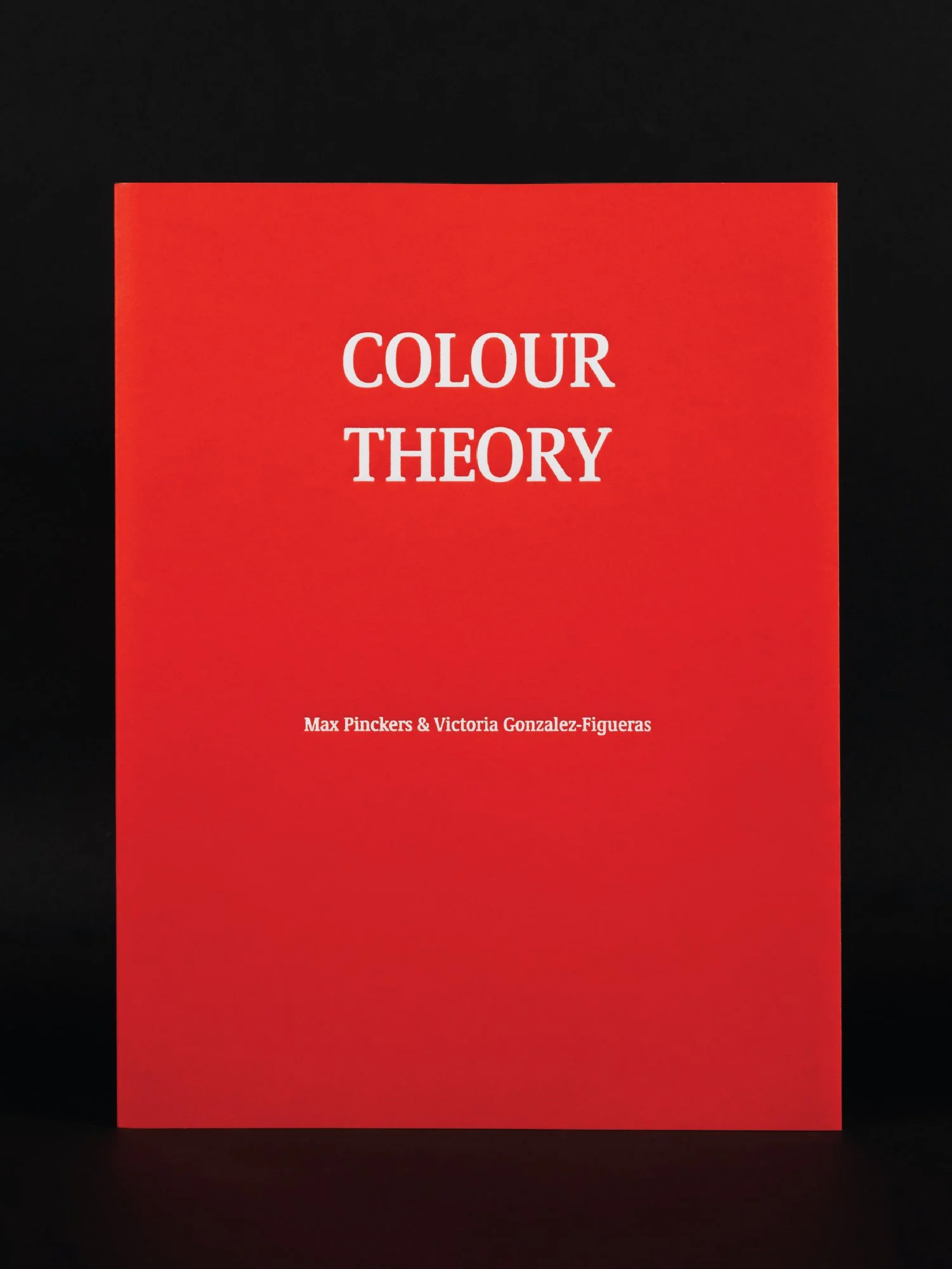
Colour Theory
Max Pinckers, Victoria Gonzalez Figueras,
& Sébastien Girard
Colour Theory stands out for the way its use of Risograph is conceptually integral to the work. The project examines how color—particularly the celebrated red of Kodachrome—has shaped and potentially manipulated photographic representation. Through four-color Risograph printing, color becomes visibly constructed through layering, blending, density, and subtle variations. Offset printing might reproduce the original photographs more accurately, but Risograph makes us conscious of how photographic color is created and manipulated.
Another strength is that the book is more substantial and ambitious than a typical artist-made Riso publication, while its format remains simple and relatively undecorative. The production feels purposeful without becoming overly elaborate, giving the book a strong physical presence while keeping it approachable and accessible to a wider audience. – Miwa Susuda
Juried by Susan McLaughlin, Miwa Susuda, and Penumbra Foundation
Shortlisted Publications
Juried by Miwa Susuda
-
Miwa Susuda has been at the center of the photobook industry for over 16 years, as both a photobook consultant at Dashwood Books in NYC, and as the founder and director of Session Press. She has appeared at galleries, art fairs, and museums worldwide, including Vertical Assembly with Lesley A. Martin, CONTACT Photo, the Tokyo Art Book Fair,The Museum of Contemporary Art in Tokyo, the Museum of Fine Arts in Boston, MA, and the Visual Studies Workshop in Rochester, NY. Ms. Susuda’s Session Press imprint has received numerous prestigious prizes and nominations. Her publication of Red Flower, by Mao Ishikawa, was selected as a 2017 best book of the year by Liberation. In addition, Taratine by Daisuke Yokota and Bible and Dildo by Momo Okabe have all won the Paul Huf Award at Foam Museum in the Netherlands.
miwasusuda
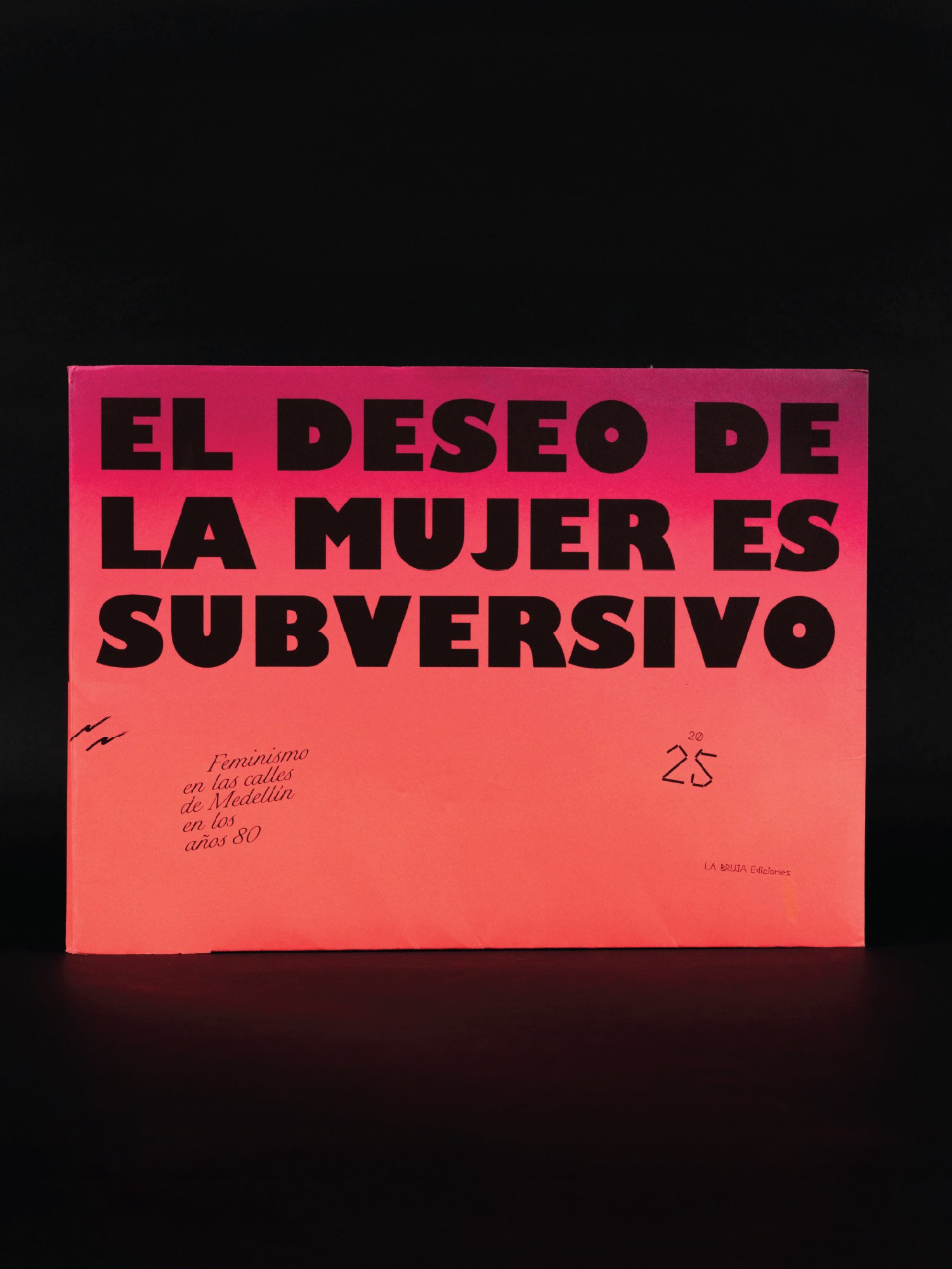
El deseo de la mujer es subversivo. Feminismo en las calles de Medellín en los años 80
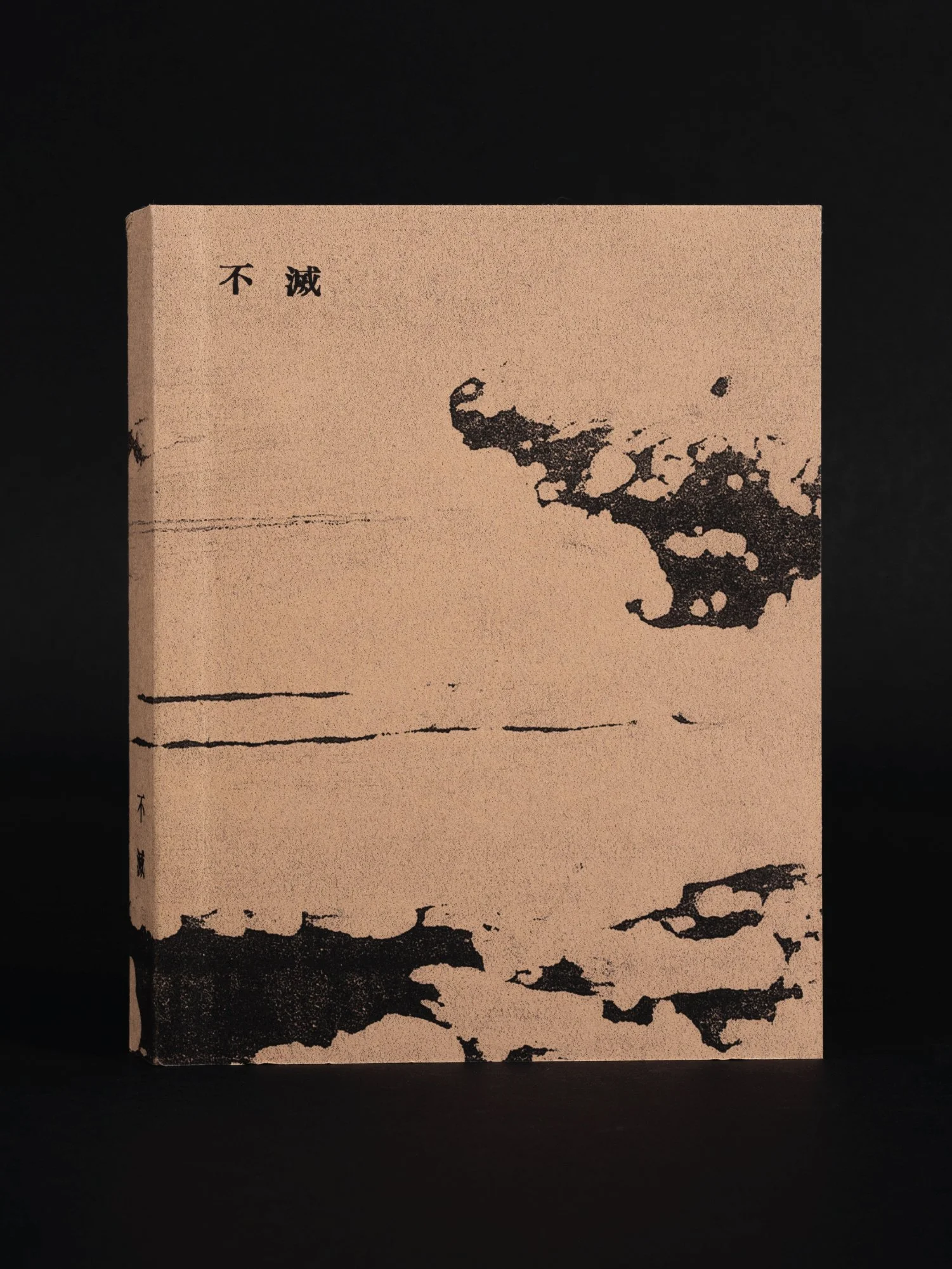
La Bruja Riso不滅 Endure
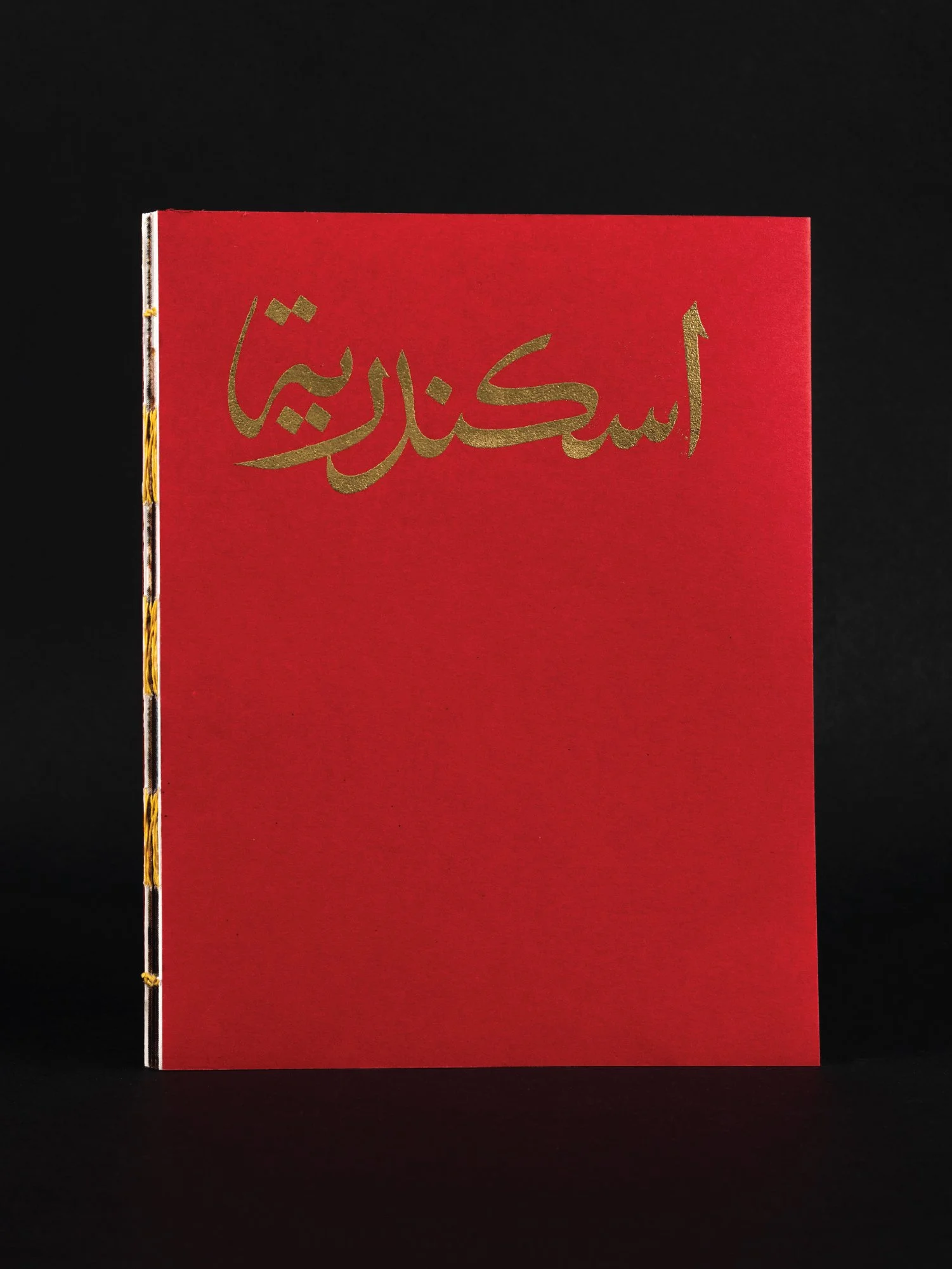
Alex LauESKENDERIYAH
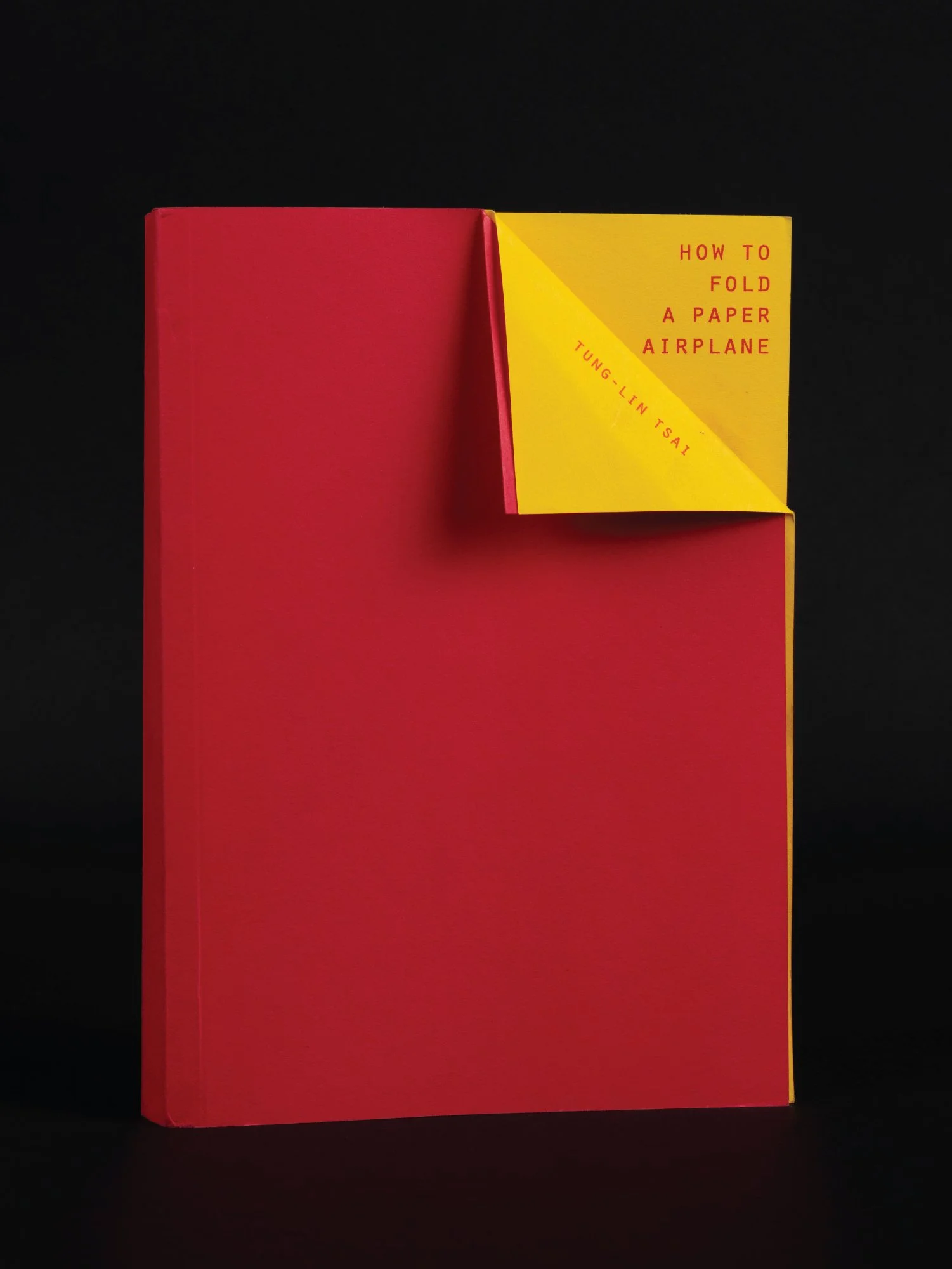
Yomna Mohamed & Afrida AhmedHow to Fold a Paper Airplane
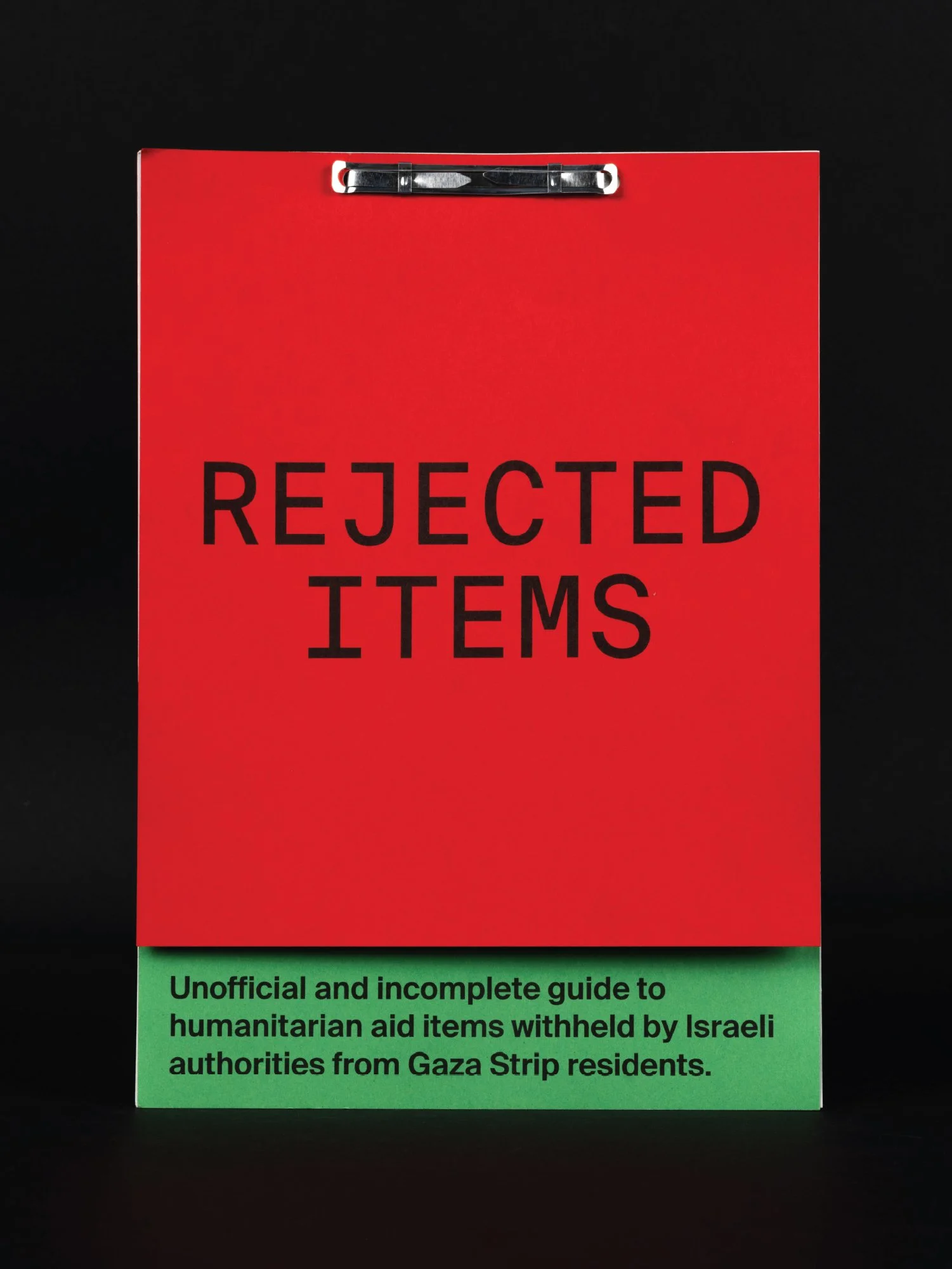
Tung Lin TsaiRejected Items (Unofficial and incomplete guide to humanitarian aid items withheld by Israeli authorities from Gaza Strip residents)
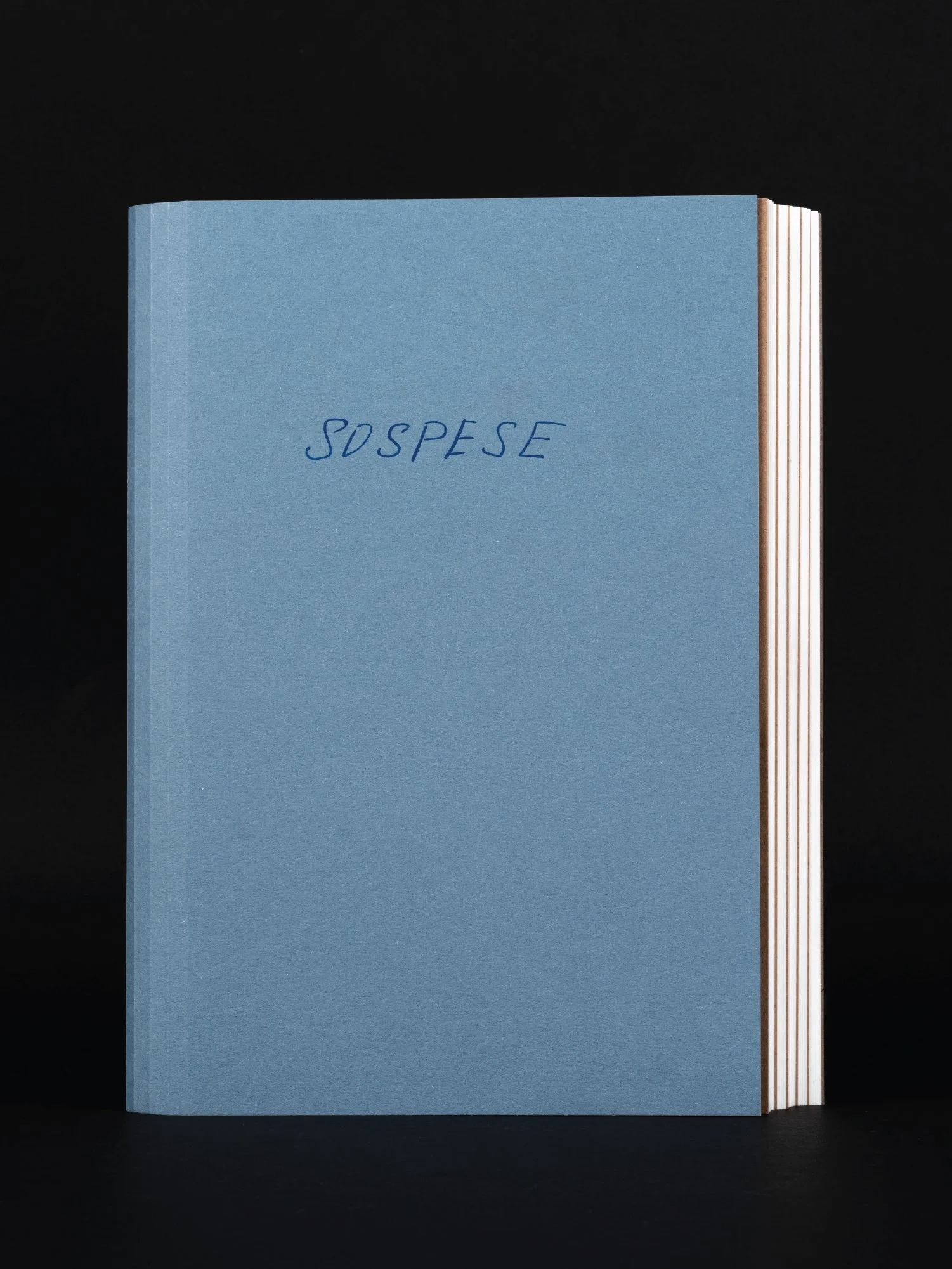
Walter Costa and Talita VirginiaSospese
Giuseppe Boscarino, Francesco Boscarino, and Giuseppina Maranzani
Featured Publications
Selected by the Penumbra Foundation staff
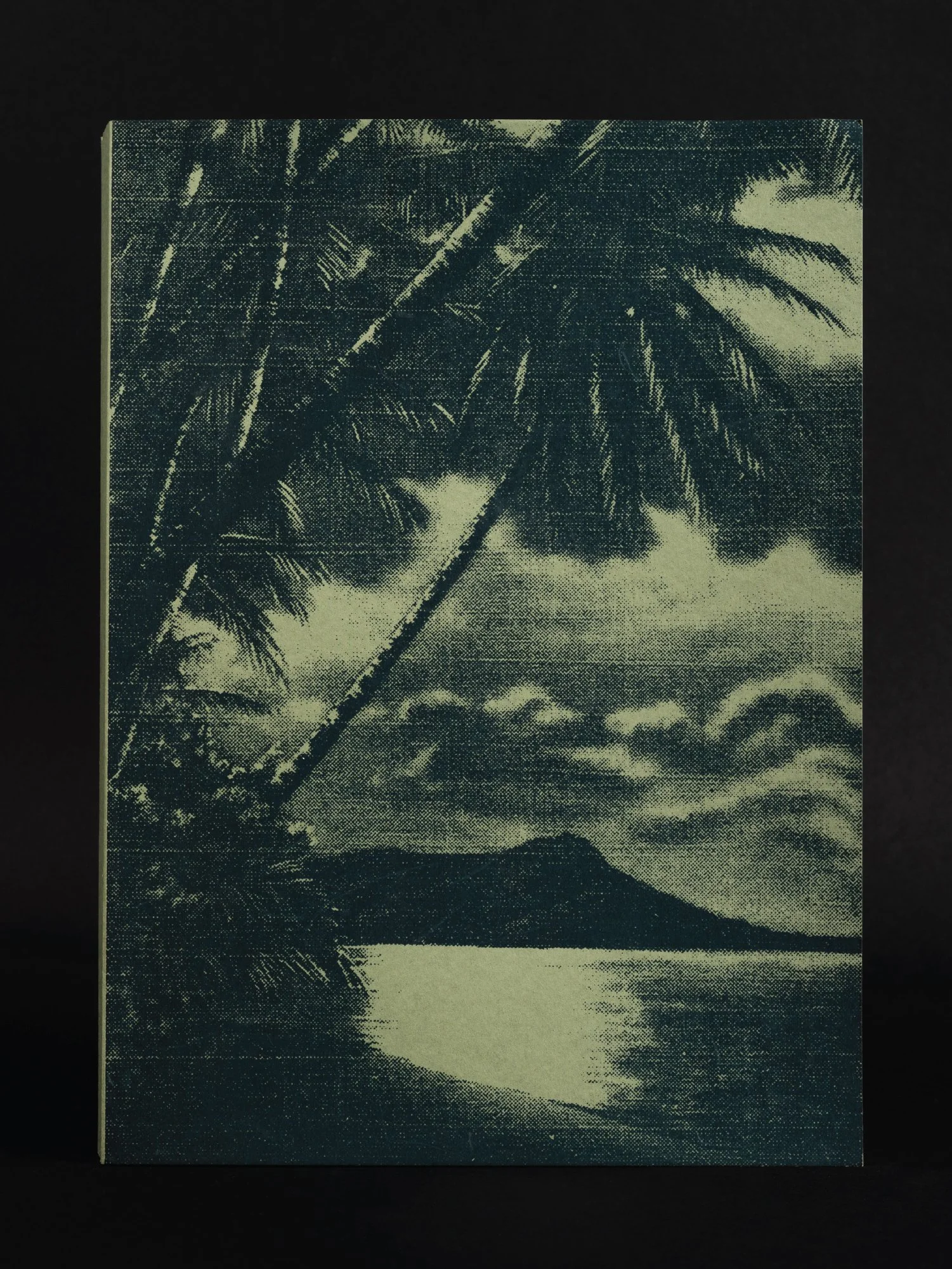
Dreams To Remember – Memories From A Teenage Room (1970–1979)
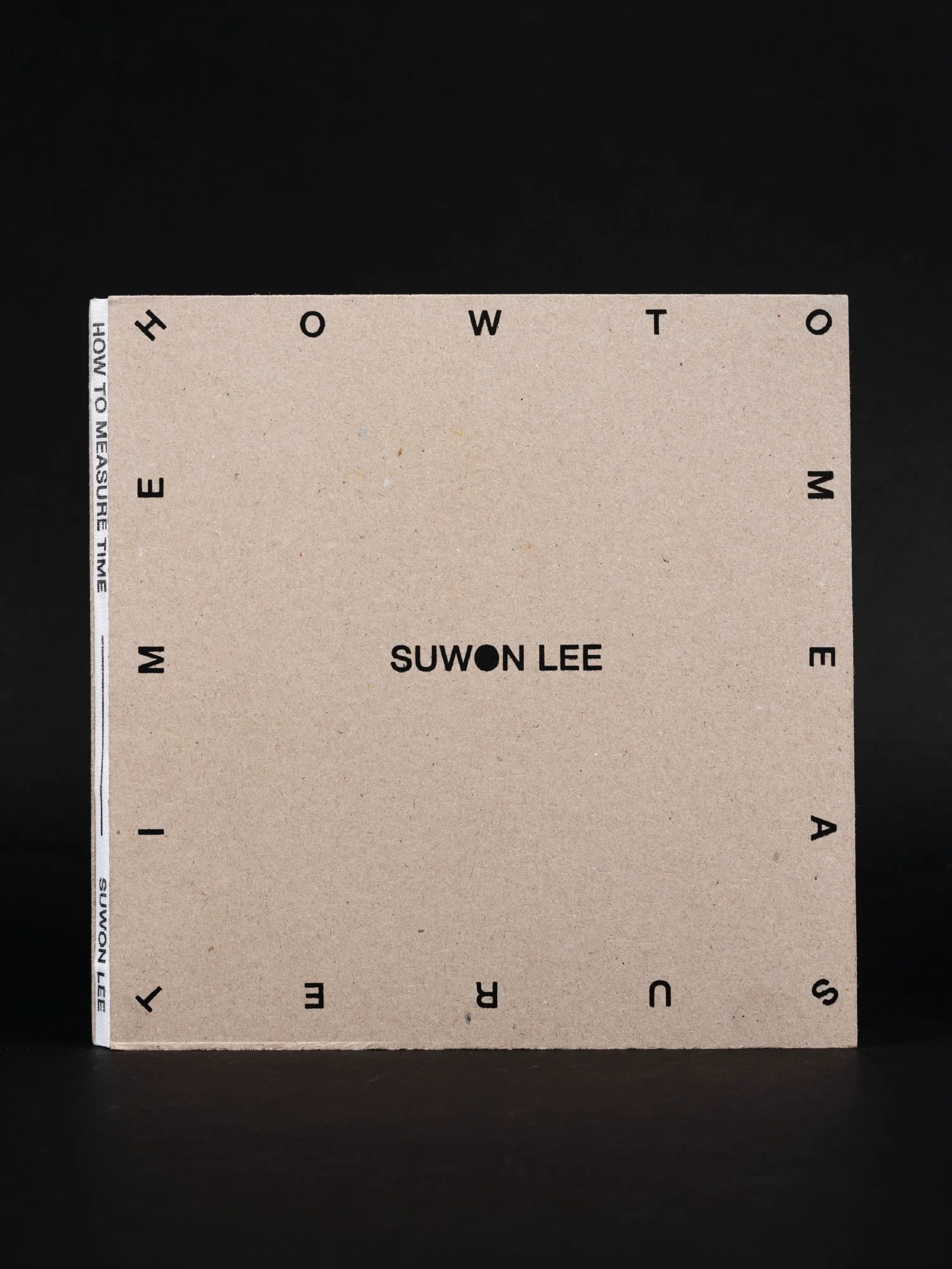
Matt PlezierHow to Measure Time
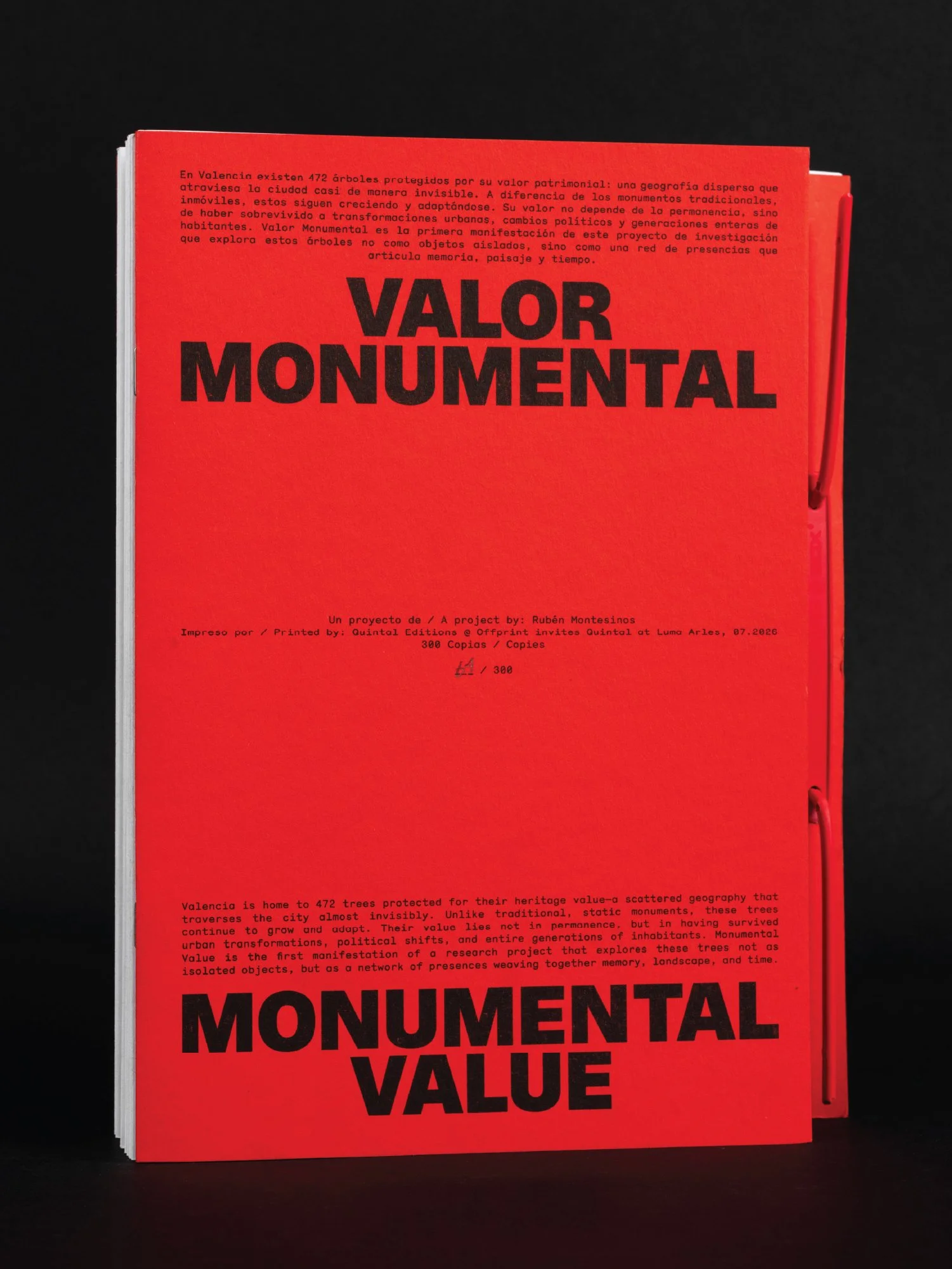
Suwon LeeMonumental Value
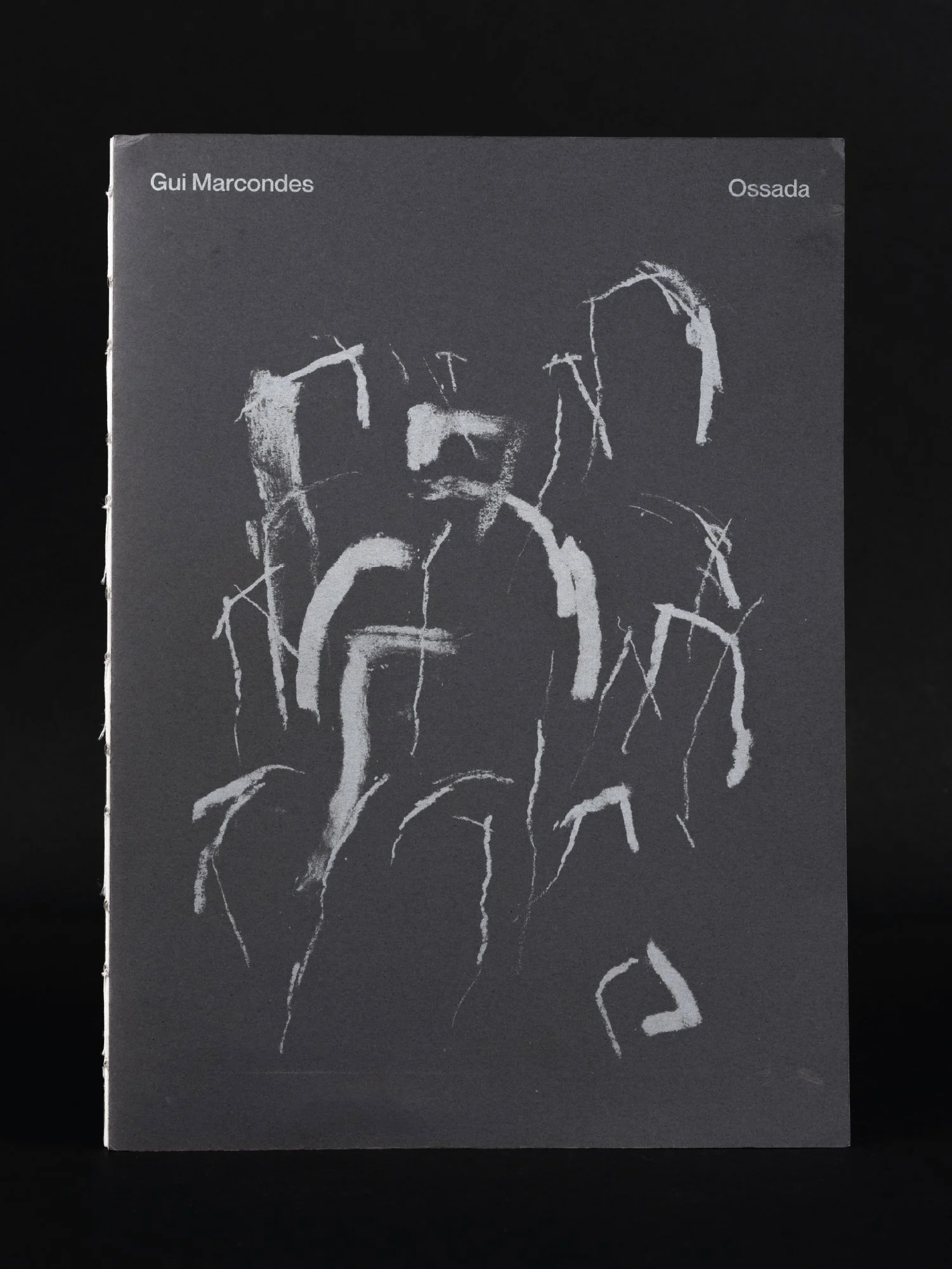
Rubén MontesinosOssada
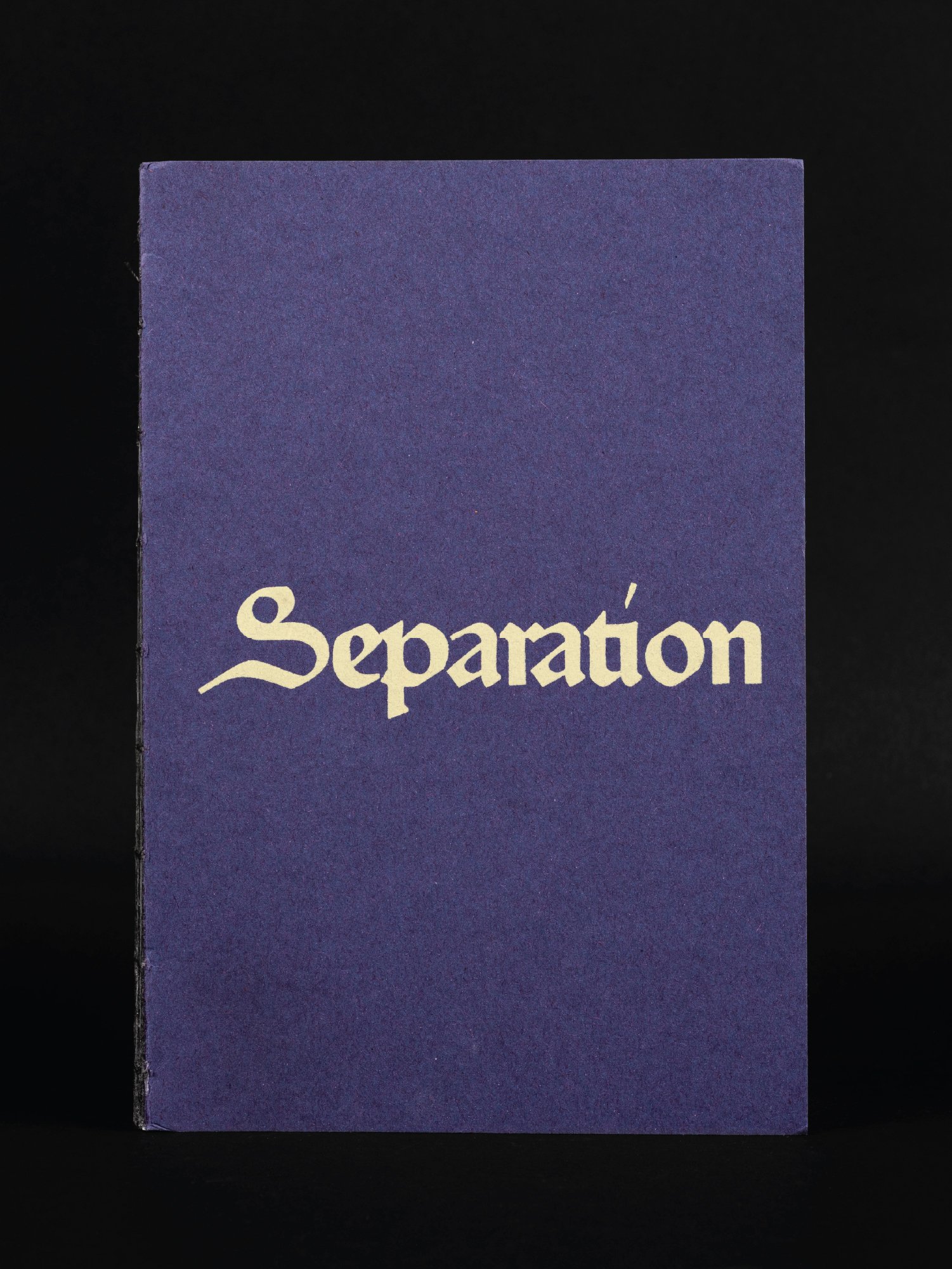
Gui MarcondesSeparation
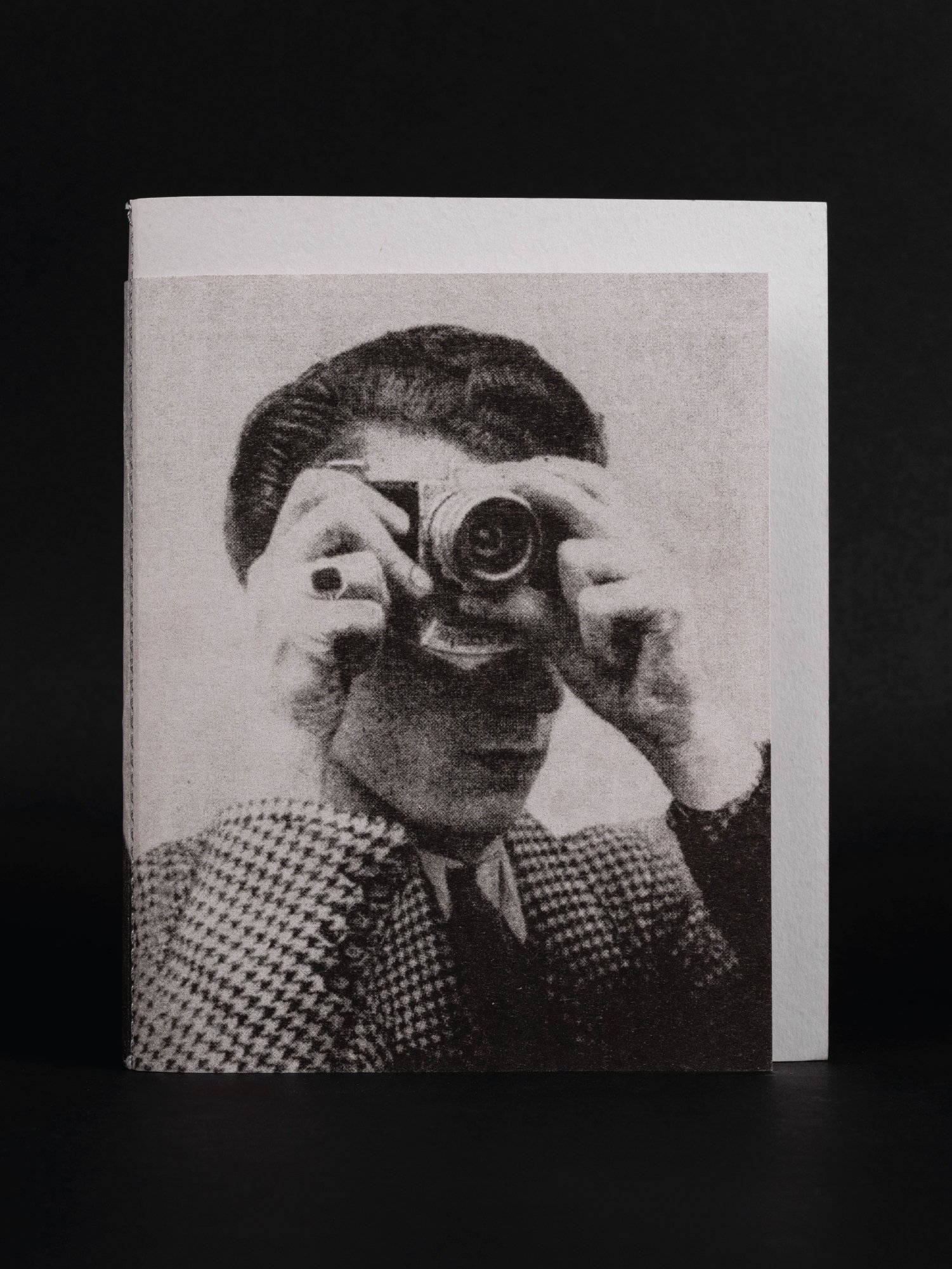
Ilya NikitinViewfinders
Matteo Girola